

-
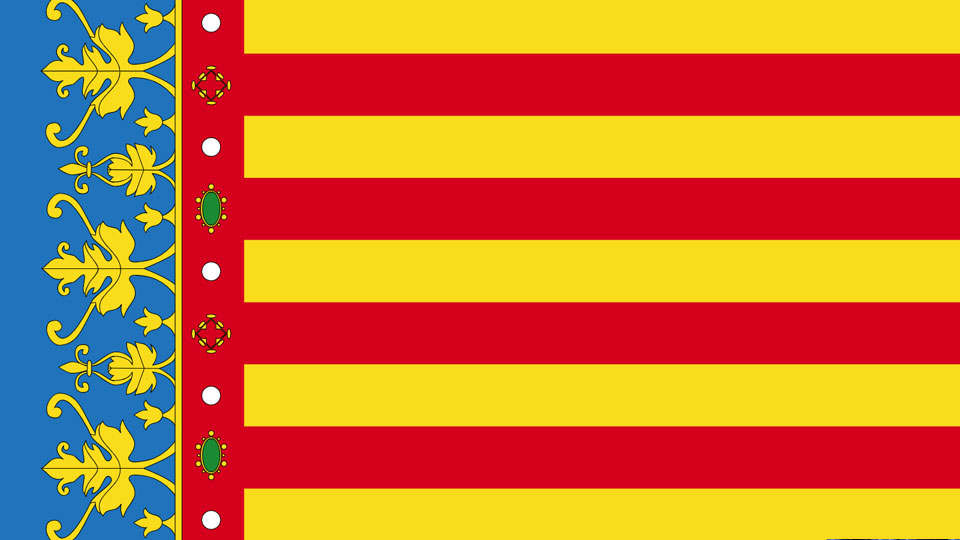
Valencian Language Day
Valencian Language Day: History, Meaning, and Celebration (March 3)
What is Valencian Day?
Valencian Language and Culture Day is celebrated every March 3 in honor of Ausiàs March, one of the most prominent figures in Valencian literature and a leading authority on the language. This date was established in 1989 by the Royal Academy of Valencian Culture (RACV) with the aim of promoting the use and preservation of Valencian, a language with a rich history and its own identity within the linguistic landscape of the Iberian Peninsula.
Origin and historical context
March 3 was chosen to commemorate the death of Ausiàs March in 1459, a medieval poet who wrote in Valencian and whose work has been recognized as one of the most important in classical literature in this language. His literary legacy not only elevated the prestige of Valencian in his time, but also contributed to the consolidation of a distinct linguistic identity within the Kingdom of Valencia (part of the Crown of Aragon).
Difference between Valencian Language Day and Valencian Regional Community Day
It is important not to confuse this celebration with October 9, which marks Valencian Regional Community Day, commemorating the entry of King James I into Valencia in 1238. Although October 9 is also recognized as a key date in Valencian history and culture, the main focus is on the political and regional identity of the region. In contrast, March 3 focuses specifically on the language and its value as cultural heritage.
The Valencian Language: History and Current Situation
Valencian is a Romance language spoken mainly in the Valencian Community. It forms part of the Catalan-Valencian-Balearic linguistic system and has its own particularities in phonetics, vocabulary, and grammar that distinguish it within this linguistic family.
Valencian language: where is it spoken?
Valencian is mainly spoken in the provinces of Castellón, Valencia, and Alicante, although its use varies depending on the region. In some inland areas and certain urban areas, Spanish is predominant, while in others, especially in small towns and coastal areas, Valencian remains the common language.
Number of Speakers
According to recent studies, around 2.5 million people in the Valencian Community understand Valencian, although active use varies according to generational and geographical factors. Language immersion programs and promotion policies seek to increase its presence in education, the media, and public administration.
Dialects and Variants
Valencian has several dialectal variants that reflect its internal linguistic diversity. These can be grouped into:
- Western varieties: spoken in inland and northern areas of the Valencian Community.
- Eastern varieties: typical of coastal and southern areas.
Despite these differences, all variants are perfectly intelligible to each other and form a solid linguistic whole with established rules.
The Importance of Celebrating Valencian Language Day
Valencian Language Day is an opportunity to reflect on the role of language in the cultural identity of the region. The celebration aims to:
- Encourage the learning and use of Valencian, especially among younger generations.
- Strengthen the linguistic identity of the Valencian Community.
- Promote literature and written tradition in Valencian.
Various institutions organize cultural activities, conferences, and events to highlight the linguistic richness of Valencian and emphasize its importance in contemporary society.
The Valencian Language and the World of Translation
In the context of translation, Valencian is a language in demand in sectors such as administration, education, and communication. Companies and organizations seek professional translation services to ensure the quality and linguistic adaptation of official documents, websites, and advertising content.
At AltaLingua, as a specialized translation agency, we recognize the importance of Valencian and the need for quality language services to preserve and promote its use in different professional fields.
Valencian Language and Culture Day is a key date to remember the importance of the Valencian language and its value as cultural heritage. Promoting its use and learning is essential to ensure its continuity for future generations.
At AltaLingua, we support linguistic diversity and believe in translation as a fundamental tool for the preservation and dissemination of languages. On March 3, we celebrate Valencian as part of the cultural legacy that unites and enriches us.
AltaLingua
AltaLingua es una agencia de traducción e interpretación de referencia en España que brinda servicios lingüísticos integrales para empresas en España y el mundo. AltaLingua cuenta con sistemas de gestión de calidad según las normas ISO 9001:2015, ISO 18587:2020 de servicios de posedición multilingüe y UNE-EN 17100:2015 de servicios de traducción. https://altalingua.es/
- altalingua@altalingua.co.uk
- Customer Area
